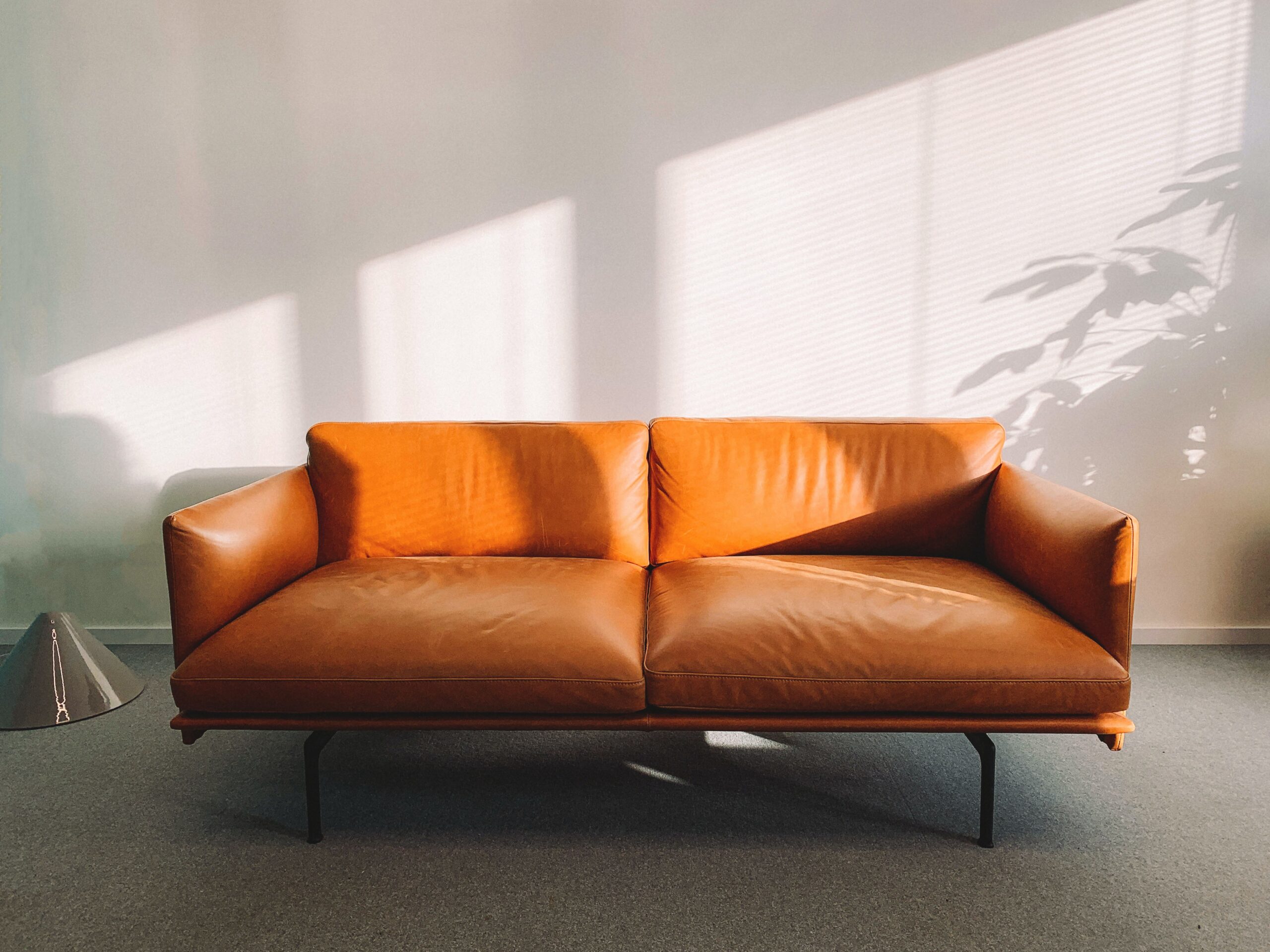
A leather sofa that sits near a south-facing window takes a beating. Heat and UV light break down the oils in the leather gradually, and by the time the damage is visible — fading, dryness, surface cracking — the process has been under way for months.
The good news is that most sun-damaged leather can be restored, and the same steps that fix the damage also prevent it from happening again. Here’s how Furnicare approaches the process.
Start with an honest assessment
Not all leather damage looks the same or needs the same treatment. Fading is different to cracking, and surface scratches are different to deep structural dryness. Before anything else, we look carefully at what’s actually happened to the piece — its leather type, the extent of the damage, and what the realistic outcome of restoration looks like.
Setting realistic expectations at the start saves disappointment later. Some pieces can be restored to very close to their original condition. Others can be significantly improved without being perfect. We’ll tell you which category yours falls into.
Cleaning comes before conditioning
Sun-damaged leather is often also dirty leather — dust, body oils, and product residue build up in the surface over time and prevent conditioning treatments from doing their job properly.
We use leather-specific cleaning products applied with a soft cloth in circular motions, then removed with a clean damp cloth. The leather is allowed to dry naturally before we move to the next stage. Rushing this or using the wrong products — household cleaners, anything with bleach or alcohol — strips further oils from already-depleted leather and makes the problem worse.
Conditioning restores what the sun has taken
Sun exposure drives moisture and natural oils out of leather, which is what causes the stiffness and cracking. Conditioning replaces those oils and restores suppleness.
We apply a high-quality conditioner suited to the specific leather type in a thin, even layer, allow it to absorb fully, then buff to restore the sheen. For furniture in sunlit positions, conditioning every three to four months keeps the leather in good condition and prevents the cycle of damage from starting again.
Protection going forward
Restoration is only worthwhile if the same damage doesn’t recur. After conditioning, we apply a leather protectant that creates a barrier against UV damage, moisture, and staining. We’ll also advise on positioning — sometimes moving a piece a metre away from the window makes a significant difference — and on UV-blocking window film if repositioning isn’t practical.
Rotating cushions and seat positions helps avoid uneven fading on sofas used regularly in the same configuration.
When leather repair is needed alongside restoration
Surface cracks, scuffs, and colour loss sometimes need more than conditioning. Furnicare offers repair work alongside restoration — filling surface cracks, applying colour-matched pigments to faded areas, and treating structural damage that conditioning alone can’t address.
If your leather furniture has seen better days, we’d rather show you what’s possible than have you assume it’s beyond help. Get in touch and we’ll take a look.